
 See My Latest Article on HelloNation
How Can You Tell If a Tree Is Diseased in Rochester, NY?
Trees in Rochester, NY face a unique blend of weather patterns and urban conditions that influence their health. Residents often wonder if changes in their trees are just seasonal stress or signs of disease. Generally, a tree may be diseased if it shows abnormal leaf color, wilting, premature leaf drop, odd growths on bark, or dead branches. Recognizing these early allows you to act before a disease spreads or the tree is lost.
Prompt action is especially valuable in Rochester, where cold winters and humid summers can stress local trees and favor disease development.
Which Tree Diseases Are Most Common Locally?
Several diseases are routinely found in Rochester backyards, parks, and green spaces, especially on maples, oaks, ashes, and fruit trees. Some of the most common issues include:
Anthracnose:
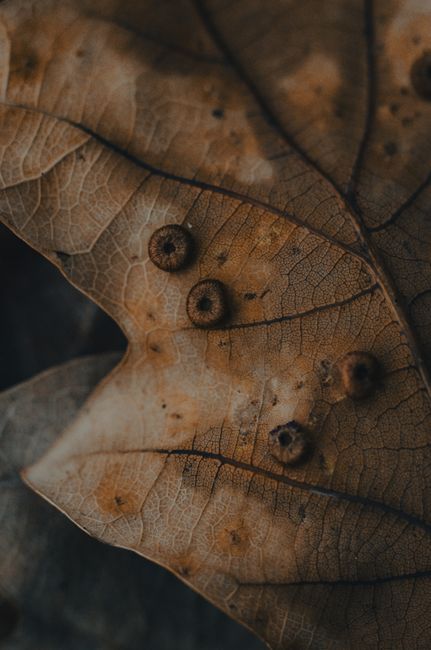
- Frequently spotted on maples and sycamores, this fungal disease leads to tan or dark spots on leaves.
- Leaves may curl or fall off early, often during wet, cool springs.
Apple Scab:
- Affects apple and crabapple trees, causing olive-brown patches on leaves and fruit.
- Leaves may yellow and fall by mid-summer; fruit can become deformed.
Dutch Elm Disease:
- This fungus is spread by elm bark beetles and primarily attacks elms.
- Wilting and yellowing of leaves, followed by brown “streaking” visible under the bark, are key signs.
Powdery Mildew:
- Appears as a white, powdery coating on leaves of maples, lilacs, and other ornamentals.
- Thrives in mild, humid summer conditions.
Verticillium Wilt:
- A soil-borne fungus that can attack maples and many other species.
- Leaves wilt, yellow, and drop quickly. Sometimes only one section of the tree is affected, making diagnosis tricky.
These diseases are influenced by local climate cycles—wet springs often fuel leaf diseases, while scorching summers may mask early warning signs.
What Symptoms Should Local Residents Watch For?
Not every unusual leaf or dead twig signals a major problem. Here’s how to read the clues Rochester homeowners most often notice:
- Discolored leaves: Pale, yellow, or brown patches; dead spots with purple rings; or all-over dullness.
- Unusual leaf drop: Trees shedding leaves well before autumn—especially if only some branches are affected.
- Wilting and curling: Leaves drooping, rolling, or drying, sometimes even when soil is moist.
- Bark changes: Sunken, cracked, or oozing areas; visible cankers (sunken or swollen wounds) on trunks or branches.
- Mushroom-like growths: Fungi growing at the base, which may mean the tree is decaying from within.
- Branch dieback: Limbs losing leaves and twigs, often starting at the tips and moving inward.
Since weather extremes can mimic disease, compare symptoms on different trees and check if nearby plants show similar distress.
Are Certain Trees in Rochester More Vulnerable?
Some species planted widely in the city’s neighborhoods, parks, and street medians are more susceptible. Norway maples, American elms, ash, and crabapples are among the most often affected.
Extra attention should be paid each spring and fall, as rapid temperature swings tend to weaken tree defenses. Soil compaction in yards or next to streets also stresses roots, making trees more likely to fall ill.
Can Seasonal Weather Cause Disease-Like Symptoms?
Local residents sometimes confuse drought damage or frost burn with infections. Sudden leaf drop after a spring freeze, or browning leaves during summer droughts, can look almost identical to disease until you examine closely. Weather-related symptoms usually affect exposed branches and recover with better conditions, while disease often spreads progressively or appears as patchy problems.
How Do Fungi and Bacteria Spread in the Area?
Diseases often spread through:
- Splashing rain and wind (fungal spores)
- Insects that carry bacteria or fungi from tree to tree
- Pruning equipment used between trees without sanitizing
Shared green spaces, dense urban plantings, and frequent storms mean that vigilance in community parks and backyards is essential to spotting outbreaks early.
What Should Local Households Do If They Suspect Disease?
Begin by observing the tree across several weeks. Photograph changing symptoms to track progression. For many mild leaf diseases, cleaning up fallen leaves and avoiding overhead watering are helpful first steps. If large limbs are dying, the trunk has cankers, or fungus is growing at the base, the problem may be more severe and could pose a safety risk. In these cases, safe management often requires advice or assessment to prevent potential hazards to people or property.
Are There Preventive Steps for Rochester Trees?
Residents can reduce risk and discourage disease by:
- Raking and removing infected leaves in autumn (many fungal diseases overwinter in debris)
- Mulching to keep roots healthy and prevent moisture fluctuations
- Watering trees at the root zone during prolonged dry spells, rather than overhead
- Pruning when trees are dormant to avoid spreading pathogens
- Choosing resilient species or locally adapted varieties when planting
These steps encourage stronger trees that are better able to resist the most common local diseases, preserving Rochester’s urban and suburban canopy for future generations.