

 See My Latest Article on HelloNation
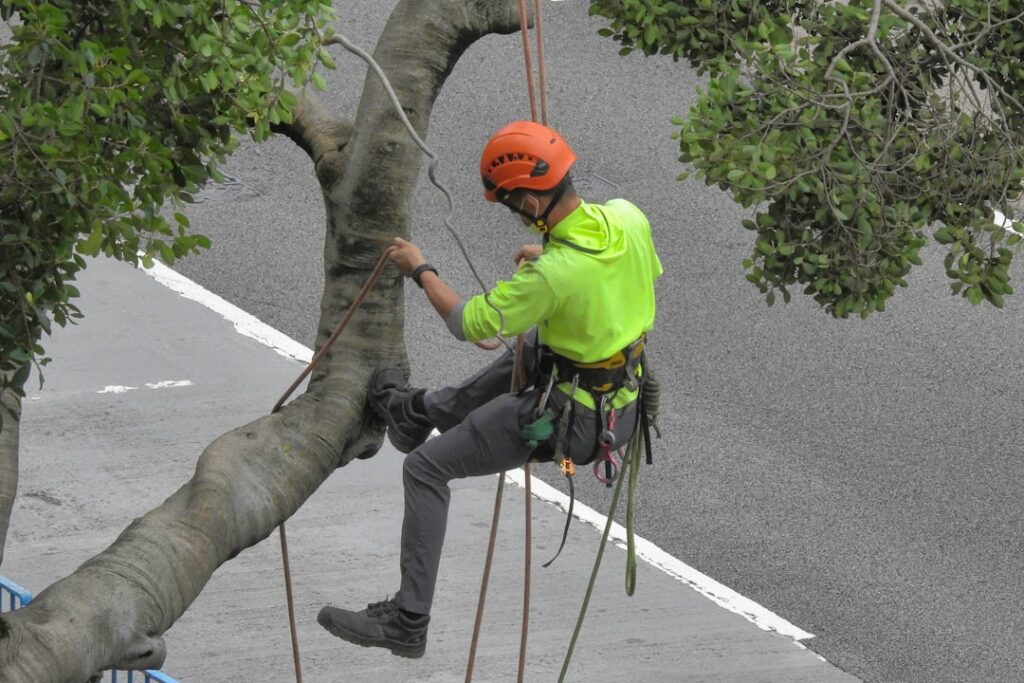
When Do Most Experts Recommend Tree Pruning in Rochester, NY?
The most favorable time for pruning the majority of trees in Rochester, NY is during late winter to early spring, typically February through early April. This timing coincides with trees being dormant, which minimizes stress and maximizes resilience, while also providing clear visibility of the tree’s structure.
Dormant pruning is preferred for several reasons:
- Trees are not actively growing, so wounds heal faster with less risk of disease.
- Branches are bare, making it easier to assess shape, structure, and crossing limbs.
- Potential pest and disease pressure is low, as most insects and fungi are inactive in colder months.
Why Not Prune During Other Seasons?
Pruning outside of late winter or early spring is possible, but it comes with increased risks or diminished results. For example:
Late Spring and Summer
Pruning after new growth emerges can leave trees vulnerable to stress and infection, since energy reserves are directed to producing leaves and blooms. For most shade and ornamental species, heavy cuts in this period can slow growth or introduce unnecessary harm.
Light, hygiene-related pruning—such as removing dead, damaged, or hazardous limbs—remains safe throughout the year, but structural or size reduction is best handled while trees are dormant.
Fall Pruning
Fall is generally discouraged for tree pruning. Fresh cuts made prior to winter freeze are slower to seal over, which can allow diseases to take hold. Additionally, wound healing slows drastically as temperatures drop.
Are There Differences Based on Tree Type?
Yes, ideal pruning times may vary depending on species and purpose:
- Flowering trees such as dogwoods or crabapples often respond best if pruned soon after blooming is finished in spring. Pruning them too early can remove next year’s flower buds.
- Oaks and elms are particularly susceptible to serious diseases (oak wilt, Dutch elm disease) that can be spread by pruning wounds; for these trees, late winter remains the safest window.
- Fruit trees, including apples and pears commonly found in Rochester area yards, produce the healthiest yields when pruned before buds swell in early spring.
Young trees benefit from light annual formative pruning during dormancy, while mature trees can usually go longer between major sessions, unless specific issues arise.
What About Weather and Site-Specific Considerations?
Local climate and specific site conditions influence the exact timing and approach to pruning. Winters in Rochester, NY are often long and cold, with snow cover and frequent freeze-thaw cycles. This affects both access and timing:
- Wait until the harshest part of winter passes but before active spring growth begins.
- Avoid pruning during periods of extreme cold, as this can cause dieback at the cut site.
- On larger properties or wooded lots, late winter is optimal, as frozen ground can sometimes help prevent damage to lawns or garden beds from pruning equipment or falling branches.

Can You Prune During the Growing Season for Safety or Damage?
Immediate removal of broken, diseased, or hazardous limbs should not wait for the dormant season. Whenever you see a limb posing an immediate safety hazard (touching power lines, cracked from wind, or split after storms) it should be pruned as soon as possible, regardless of the time of year.
In cases of storm damage—heavy winds, ice storms, or unusually wet snow, all familiar to Rochester residents—it’s best to remove compromised wood promptly to prevent further injury or property damage.
Common Myths: Do Trees Bleed Sap if Pruned Too Early?
A frequent misconception is that trees will “bleed” and suffer if pruned when sap is running. While some species (sugar maples, birches) visibly leak sap when cut in early spring, this sap flow does not cause harm. However, pruning while trees are actively leafing out—or when insects are abundant—can inadvertently increase pest or disease risk.
What Tools and Techniques Work Best for Area Residents?
Using clean, sharp tools designed for each cut—hand pruners for small twigs, loppers for thicker branches, and a saw for larger limbs—helps produce clean cuts that heal quickly. Cuts should be made just outside the branch collar (the swollen area where a branch joins the trunk or a larger limb) to optimize healing.
Proper disposal of pruned material, especially if it is diseased, helps keep local landscapes healthy. Many residents compost small healthy branches or utilize municipal brush collection, particularly in spring.
Are There Local Regulations or Restrictions?
While there are no mandatory citywide restrictions on residential tree pruning in Rochester, some neighborhoods with public right-of-way trees (strips between sidewalk and street) are subject to city management. Pruning or removing these street trees may require notification or approval from municipal departments to ensure urban forest health and safety.
Consult local guidelines or neighborhood covenants for trees planted in common areas or along streets, as procedures can vary between communities.