
 See My Latest Article on HelloNation
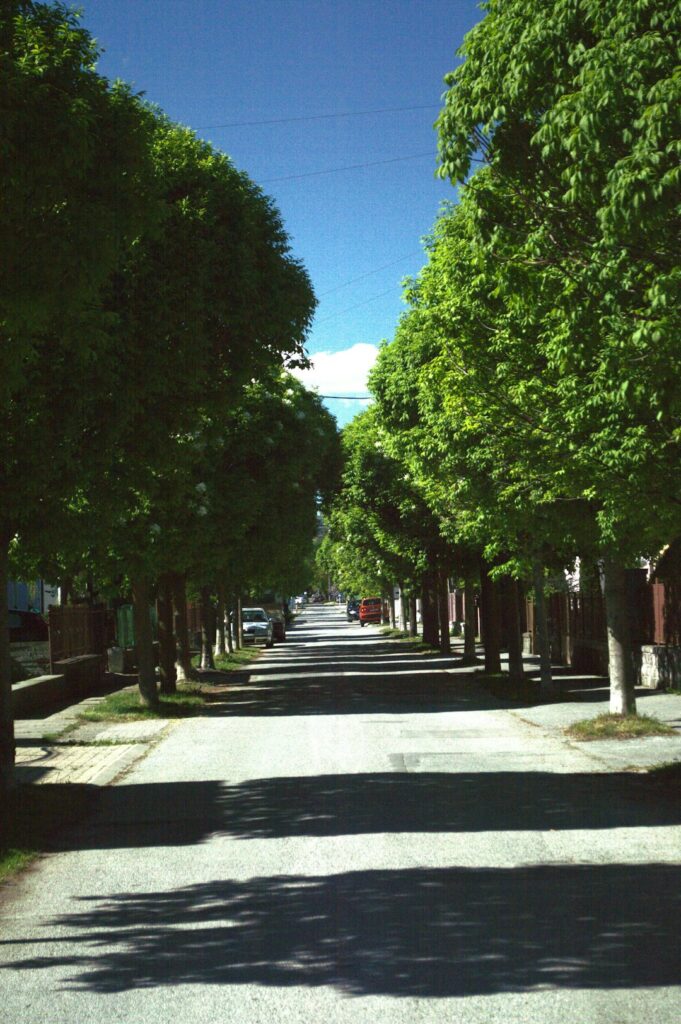
Trees can reduce urban heat by shading pavement and buildings, releasing moisture through their leaves, and slowing the buildup of heat around homes and streets. In Rochester, NY, these benefits matter during summer heat, especially in neighborhoods with large paved areas, limited lawn space, or older housing close to sidewalks and roads.
How do trees lower temperatures?
Trees cool their surroundings in three main ways: shade, evapotranspiration, and reduced heat storage.
Shade blocks direct sunlight from reaching surfaces such as asphalt, concrete, siding, sidewalks, and parked vehicles. Shaded materials absorb less solar energy, so they remain cooler during the day and release less stored heat after sunset.
Evapotranspiration is the process by which trees move water from the soil through their roots and release some of it as water vapor through tiny openings in their leaves. This changes liquid water into vapor and removes heat from the surrounding air, similar to the cooling effect of evaporation from wet skin.
Trees also affect air movement and surface temperatures. Their canopies can reduce exposure to intense sunlight while their trunks, branches, and leaves influence wind patterns. A single tree will not cool an entire neighborhood evenly, but groups of well-placed trees can create noticeably more comfortable conditions along streets, sidewalks, yards, and outdoor gathering areas.
Why does shade matter so much in developed areas?
Pavement and roofing materials absorb solar heat efficiently. During a sunny summer afternoon, an unshaded sidewalk or parking area can become much hotter than the nearby air. That heat does not disappear immediately when the sun goes down; it is gradually released back into the surrounding environment.
This pattern contributes to the urban heat island effect, in which built-up areas become warmer than places with more vegetation and exposed soil. Neighborhoods with closely spaced homes, paved driveways, roads, and limited tree canopy may experience more heat than areas with mature vegetation.
In residential areas, shade from street and yard trees can help reduce:
- Heat absorbed by exterior walls and windows
- Surface temperatures on sidewalks and driveways
- Interior temperatures near sun-facing windows
- Heat exposure for people walking or working outdoors
- Stress on lawns and other landscape plants
Shade is most useful when trees are placed where sunlight creates the greatest heat burden. A tree near a west-facing wall or window, for example, can block strong afternoon sunlight. Trees near pedestrian routes can make walking more comfortable, while trees near outdoor seating areas can improve usability during hot weather.
Do trees cool the air or only provide shade?
They do both, although the amount of cooling depends on weather, soil moisture, tree size, and surrounding surfaces.
A mature canopy generally provides more shade than a newly planted tree because it covers a larger area. At the same time, a healthy, well-watered tree can contribute more evaporative cooling than a tree under severe drought stress. During very dry periods, trees may reduce water loss by partially closing the leaf openings that release moisture.
The cooling effect is also stronger when several trees work together. A connected canopy over a residential street can shade more pavement and reduce the amount of heat absorbed across the entire corridor. Isolated trees still provide valuable benefits, but their cooling influence is more localized.
Which locations benefit most from tree shade?
Tree shade is especially helpful in places where people and heat-sensitive surfaces are close together. Examples include:
- Sidewalks and walking routes
- Bus stops and other waiting areas
- South- and west-facing sides of buildings
- Play areas and outdoor seating spaces
- Streets with broad expanses of asphalt
- Small yards with little room for other cooling features
- Areas near dark roofs, driveways, or large paved surfaces
For homes, tree placement should balance summer shade with winter sunlight. Deciduous trees can provide leafy summer cover while allowing more sunlight through after their leaves drop. This seasonal pattern can be useful in Rochester, where heating needs remain significant during the colder months.
Tree placement also requires attention to mature size, overhead utility lines, sidewalks, foundations, sightlines, and underground infrastructure. A tree that is well suited to a location as an adult is more likely to provide long-term shade without creating avoidable conflicts.
Can trees reduce indoor cooling costs?

Trees may reduce the amount of heat entering a home, particularly when they shade windows, walls, and portions of the roof. This can lower indoor temperatures and reduce reliance on air conditioning during hot weather.
The effect varies according to building design, insulation, window orientation, ventilation, and the condition of the tree canopy. A tree cannot compensate for severe air leaks, inadequate insulation, or an inefficient cooling system. However, outdoor shade can support these measures by reducing the heat that the building must manage.
The strongest results often come from combining trees with other basic heat-reduction practices, such as closing blinds during the hottest part of the day, sealing drafts, maintaining ventilation systems, and using reflective or light-colored surfaces where appropriate.
Do trees cool neighborhoods equally?
No. Cooling benefits are often uneven because tree canopy is not distributed evenly. Some blocks have mature trees over streets and front yards, while others have large areas of exposed pavement and few established plantings.
Canopy gaps can be caused by past removals, limited planting space, construction, compacted soil, storm damage, or difficult growing conditions. Young trees also provide less shade until their crowns develop. These differences can affect how hot a block feels and how much heat nearby homes and sidewalks absorb.
Urban heat is also influenced by building density, roof materials, traffic surfaces, drainage patterns, and access to open green space. Trees are one part of a broader approach that may also include permeable surfaces, rain gardens, lighter-colored roofs, shade structures, and careful building design.
What limits the cooling benefits of trees?
Trees are not a substitute for proper maintenance or thoughtful site planning. A stressed or declining tree may provide less canopy and may be more vulnerable to insects, disease, drought, and storm damage.
Several overlooked factors affect performance:
- Soil compaction: Compacted soil limits root growth and reduces the water and oxygen available to roots.
- Insufficient soil volume: Trees need adequate rooting space to develop a stable canopy.
- Drought: Extended dry conditions can reduce leaf function and increase stress.
- Poor placement: A tree planted where its mature canopy cannot develop may never provide its expected shade.
- Excessive pruning: Removing too much live canopy can reduce shade and weaken the tree.
- Paved surroundings: Large areas of pavement can increase heat and restrict rainfall from reaching the root zone.
Newly planted trees need consistent establishment care, especially during the first several growing seasons. Adequate watering, mulch applied without touching the trunk, and protection from mechanical damage can help young trees develop the canopy needed for future cooling.
Are trees still useful during Rochester winters?
Yes. Their heat-reduction role is seasonal, but trees provide year-round environmental benefits. Deciduous trees lose their leaves and allow more winter sunlight to reach buildings, while evergreen trees can reduce wind exposure in suitable locations.
Trees also help manage rainfall and snowmelt by intercepting precipitation, improving soil structure, and reducing the speed at which water reaches paved drainage systems. In neighborhoods that experience freeze-thaw cycles, healthier soils and established root systems can support more resilient landscapes.
The most effective urban tree canopy is not simply the largest possible canopy. It is a healthy, diverse, properly placed network of trees that can provide shade in summer, withstand local seasonal conditions, and coexist safely with buildings, utilities, roads, and pedestrian areas.