

 See My Latest Article on HelloNation
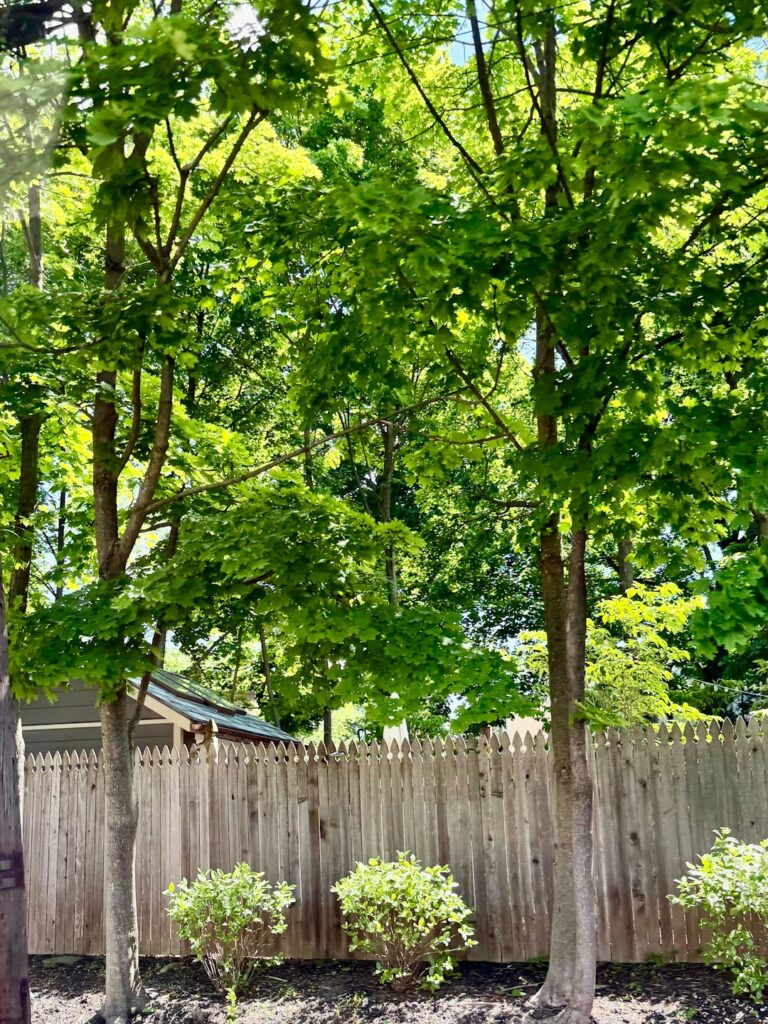
Trees in Rochester, NY face pressure from insects, disease, weather, compacted soil, drought, and damage from lawn equipment. Natural pest protection works best as prevention: keep trees vigorous, identify problems early, and use physical, cultural, and biological controls before considering pesticides.
What does “natural pest control” mean for trees?
Natural pest control does not mean eliminating every insect. Many insects are harmless, and some—such as lady beetles, lacewings, spiders, and parasitic wasps—help limit damaging pests.
A practical approach is integrated pest management, or IPM. It combines:
- Correct identification
- Regular monitoring
- Good planting and maintenance practices
- Physical removal or barriers
- Support for beneficial organisms
- The least disruptive treatment that solves the problem
The goal is usually to keep pest activity below a level that seriously harms the tree, not to create a completely insect-free landscape. New York guidance describes IPM as a combination of cultural, physical, biological, and, when necessary, chemical methods used with minimal impact on people, wildlife, and the environment. ([extapps.dec.ny.gov](https://extapps.dec.ny.gov/docs/materials_minerals_pdf/pm1.pdf?utm_source=openai))
How does tree health reduce pest problems?
Healthy trees are generally better able to tolerate insect feeding and recover from minor damage. Good care begins with the root system, since stress below ground often appears later as thinning leaves, dieback, or increased pest activity.
Useful practices include:
- Water newly planted trees deeply during dry periods, especially while roots are becoming established.
- Keep grass, string trimmers, and mower decks away from the trunk.
- Spread a shallow layer of organic mulch over the root zone, but keep it away from the trunk flare.
- Avoid piling soil or mulch against the bark.
- Improve compacted soil gradually with organic matter where appropriate.
- Prune broken, dead, or heavily damaged branches during suitable weather.
- Avoid unnecessary pruning during periods when insects or disease are most active.
Trees planted too deeply or surrounded by thick mulch can develop moisture, bark, and root problems that make pest damage more likely. The visible trunk flare should remain above the soil surface, and mulch should not be formed into a volcano around the trunk. ([extension.psu.edu](https://extension.psu.edu/programs/master-gardener/counties/adams/news/integrated-pest-management-in-the-garden?utm_source=openai))
Rochester’s freeze-thaw cycles, wet springs, summer dry spells, and compacted soils around homes and sidewalks can all add stress. Adjusting watering and maintenance to seasonal conditions is often more useful than applying a general-purpose treatment.
How can residents monitor trees without using pesticides?
Inspection is one of the most effective natural controls because early problems are easier to manage. Walk around valuable trees several times during the growing season and examine both the canopy and trunk.
Look for:
- Clusters of insects on young shoots or the undersides of leaves
- Sticky residue, sooty mold, or curled leaves
- Small holes, sawdust-like material, or winding galleries in bark
- Peeling bark or unusual cracks
- Wilting branches or premature leaf color
- Egg masses, webs, or caterpillars
- Dead twigs concentrated in one section of the canopy
Take clear photographs and note the tree species, location of the symptoms, and approximate date. Identification matters because leaf-chewing insects, boring insects, scale insects, and disease symptoms require different responses. A sticky residue, for example, may indicate sap-feeding insects, but it does not identify the pest by itself.
A common mistake is treating the first insect noticed. Some insects are predators, pollinators, decomposers, or temporary visitors. Confirming the cause prevents unnecessary disturbance to beneficial species.
Which physical methods work on household trees?
Physical controls are often appropriate when the problem is localized.
Hand-picking can reduce visible caterpillars, beetles, and egg masses on small trees or reachable branches. Pruning and disposing of infested twigs may help when a pest is concentrated in a limited area. Remove affected material carefully and avoid moving firewood or branches to another property.
Trunk guards or hardware-cloth barriers can protect young trees from rabbits, rodents, and deer. Barriers should not press tightly against the bark or trap moisture. During winter, guards are especially useful for newly planted trees and thin-barked specimens.
For some pests, a strong stream of water can dislodge aphids and other soft-bodied insects from foliage. This method may need to be repeated and should not be used so forcefully that leaves, buds, or bark are damaged.

How can a yard support beneficial insects and birds?
A diverse landscape gives natural enemies food, shelter, and overwintering sites. Flowering plants with different bloom periods can provide nectar for adult beneficial insects, while native shrubs and trees supply cover for birds and other predators.
Helpful practices include:
- Grow a mix of flowering plants rather than a single uniform planting.
- Avoid spraying broad-spectrum insecticides across the entire yard.
- Leave some leaf litter in appropriate areas for overwintering insects.
- Reduce unnecessary outdoor lighting near trees at night.
- Provide clean water and protective habitat where practical.
- Keep dead branches only where they are safe and do not create a hazard.
Natural enemies rarely eliminate a serious infestation immediately, but they can help keep recurring pest populations lower. Broad insecticide use may remove both the damaging insects and the predators that would otherwise help control them.
Does firewood spread tree pests?
Yes. Moving untreated firewood is a significant way invasive insects and diseases can travel. Drying or seasoning firewood is not considered a reliable way to eliminate hidden pests. New York guidance recommends using firewood near its source or transporting only properly approved, heat-treated firewood with the required labeling or receipt. ([dec.ny.gov](https://dec.ny.gov/nature/animals-fish-plants/invasive-species/terrestrial/firewood?utm_source=openai))
For households that use wood heat or outdoor fire pits:
- Do not transport firewood long distances.
- Buy wood locally when possible.
- Keep purchased wood separate from healthy landscape trees.
- Do not bring firewood from another region into the property.
- Inspect wood for unusual holes, tunnels, bark loss, or sawdust.
These precautions help reduce the spread of threats such as emerald ash borer, spongy moth, and other pests that affect New York trees. Almost every native tree species in the state is vulnerable to at least one pest or disease. ([dec.ny.gov](https://dec.ny.gov/nature/animals-fish-plants/invasive-species/terrestrial/firewood?utm_source=openai))
Are homemade sprays safe for trees?
Not always. Household products such as dish detergent, vinegar, essential oils, or concentrated plant extracts can burn foliage, damage bark, harm pollinators, or contaminate soil and water. “Natural” does not automatically mean harmless.
If a treatment is considered, first confirm the pest and read the entire product label. Avoid spraying open flowers, windy areas, hot leaves, or trees under drought stress. Never mix products unless the label specifically permits it.
New York regulates pesticide registration and use, and certain outdoor pesticide ingredients have additional restrictions intended to protect pollinators and other organisms. ([dec.ny.gov](https://dec.ny.gov/environmental-protection/pesticides?utm_source=openai))
When is outside help justified?
Some conditions require more than routine household care. Seek qualified guidance when a tree has extensive canopy dieback, structural cracks, active decay, signs of a regulated invasive pest, or branches near homes, roads, and utility lines. Large trees and pesticide applications also create safety and legal concerns that should not be handled casually.
For ordinary prevention, the most dependable strategy is consistent observation, sound watering and mulching, careful handling of firewood, and preserving the insects and wildlife that naturally help keep tree pests in balance.