

 See My Latest Article on HelloNation
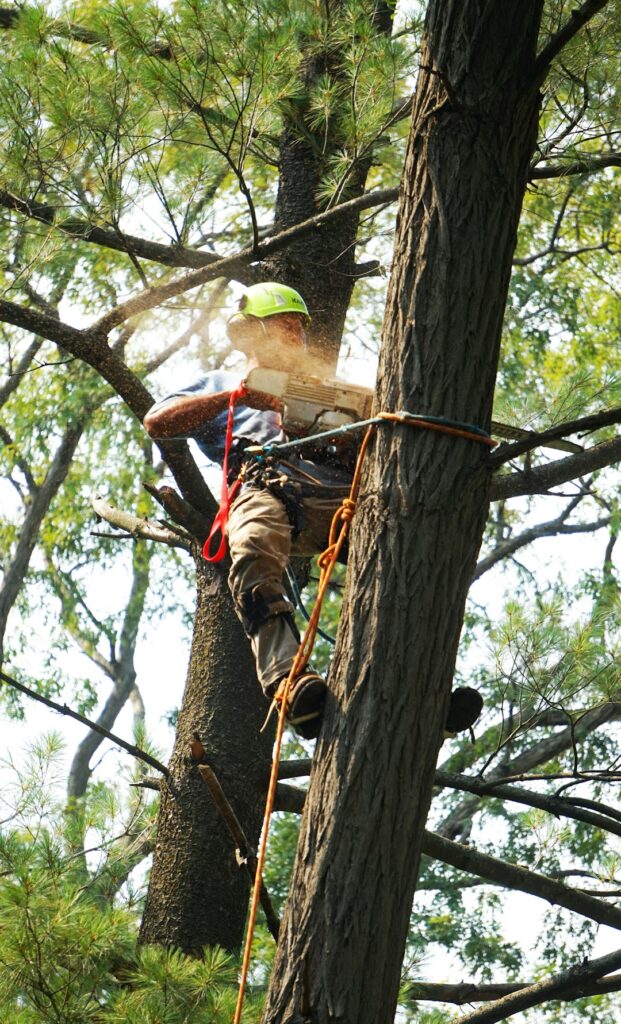
What Should Homeowners in Rochester, NY Know Before Trimming Trees Themselves?
Residents interested in tree trimming at home should start with a clear understanding of local tree species, Rochester’s seasonal climate, and basic safety practices. Tree trimming, when done with care, helps trees stay healthy, but mistakes can cause long-term damage or safety hazards.
In the city, most residential yards feature maples, oaks, and various ornamentals. Each species reacts differently to pruning. For example, trimming maples in spring can result in excessive sap flow, while oaks should be trimmed in late winter to avoid disease spread. Also, ice storms and heavy snow are routine throughout the local winter, so it's best to avoid trimming when limbs are covered or brittle.
How Can Homeowners Tell Which Branches Need Trimming?
Trimming is often needed for dead, damaged, or hazardous branches, not simply for looks. Start by standing back and viewing the full shape of the tree, checking for:
- Dead limbs (often leafless or brittle even in the growing season)
- Branches rubbing against one another
- Limbs growing downward or toward structures, driveways, or utility lines
- Obvious signs of decay, such as fungus or hollow spots
Clearing away what’s visibly unhealthy or unsafe generally helps the whole tree, but avoid removing too much—never cut off more than one-quarter of a tree’s canopy in a single year.
What Tools Are Essential for Safe DIY Tree Trimming?
Basic hand tools are usually enough for small jobs around a typical Rochester yard. Homeowners typically need:
- Sharp hand pruners for small branches (under ½ inch)
- Bypass loppers for thicker growth up to about 1 ½ inches
- A pruning saw for larger limbs
Tools should be cleaned before and after use to avoid spreading disease between trees. Safety equipment—a sturdy ladder, gloves, safety glasses, and a hard hat—adds an extra layer of protection. Large or high limbs more safely handled using professional equipment should not be attempted with basic home tools.
Are There Legal or Utility Concerns Local Residents Should Know?
Certain tree work falls under specific regulations or utility guidelines in Rochester, NY. Homeowners must not trim any branches close to utility lines on their own—this is a significant safety hazard and is prohibited by local and utility regulations. Branches overhanging public sidewalks or streets may also be subject to municipal codes. Always verify that trimmed debris is disposed of according to local yard waste collection policies.
What Are the Best Times and Weather for Tree Trimming in Rochester?
Late winter to early spring is the safest period for most trimming jobs in the area. Dormant trees are less susceptible to disease, and it’s easier to see the branching structure without leaves. Summer cuts, especially during heatwaves or drought, can stress trees. During autumn, trees are moving into dormancy; wounds may not heal well before the freeze.
Never trim during or immediately after severe weather, frost, or heavy rain. Wet conditions make limbs slippery and dangerous, and damage is harder to assess when trees are covered with snow or ice.
How Can Improper Pruning Harm Trees?
Improper technique can lead to infections, stunted growth, or unsightly shapes. The most common errors include:
- “Topping” the tree or cutting off the uppermost branches—this makes trees prone to decay and weak, fast-growing shoots.
- Leaving “stubs,” where a branch is only partly removed—these rarely heal and can invite pests.
- Making flush cuts against the trunk, removing the branch collar. Always cut just beyond where the branch meets the trunk or a larger limb, preserving this swelling to help the wound close.

A healthy tree usually recovers from minor mistakes, but repeated errors weaken even mature trees and can make them more vulnerable during winter storms.
What Are Signs That Tree Trimming Should Not Be a DIY Project?
Homeowners should avoid trimming any tree when:
- Branches are larger than 4 inches in diameter, above single-story rooflines, or close to power lines
- The tree appears to be suffering from disease without clear cause (such as oozing, extensive decay, or dieback)
- There is extensive storm damage or multiple large limbs have broken at once
In these situations, using ladders, chainsaws, or complex rigging without training creates undue risks.
How Can Residents Dispose of Tree Trimmings and Yard Waste?
Trimmed branches and leaves are generally collected with yard waste throughout the city, but check current municipal schedules and requirements for bundling and paper bag use. Larger branches might need to be cut into shorter sections or placed curbside only at certain times.
Some area residents use private compost bins for leaves or twigs, but thicker wood and large debris may require a special pickup or a trip to a public drop-off facility.
Are There Misconceptions About Tree Trimming That Homeowners Commonly Have?
Many assume trees “heal” quickly after a cut, but wounds can take years to close—particularly in mature species. Another common misconception is that all pruning improves tree health; in fact, unnecessary cuts can weaken a tree or reduce storm resistance.
Residents sometimes believe any cut is acceptable if made cleanly. In reality, angle, location, and size all matter. Avoiding cuts during sap-heavy or extremely cold periods is best, especially for species sensitive to trimming stress.